7 Smart Ways to Save on EV Charging
Electric vehicles (EVs) can be far cheaper to run than petrol cars, but only if you charge them smartly.
In the UK, electricity prices can vary by tariff and time of day, and public charging can cost a whole lot more than home charging.
The Energy Saving Trust outlines this perfectly. They mention that driving 220 miles in an EV can cost £17 in electricity when charging at home, £37 at a public fast charger, and £53 at a rapid charger (which exceeds the cost of petrol in most regions).
We all, as you can imagine, want to be closer to that £17 mark, that’s when you really start seeing the cost benefits of owning an EV. Therefore, let’s go into some smart ways to save on EV charging.
How to Save Money on EV Charging
1. Use an EV Tariff & Charge Off-Peak
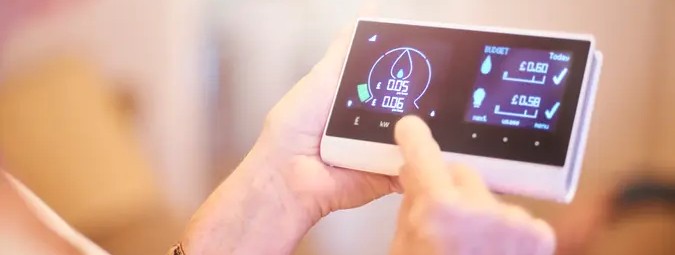
Without question, one of the biggest savings comes from using a special EV electricity tariff that offers cheaper overnight charging rates.
Simply by charging your car at night, it’s reported to cut costs around 60-70% when compared to daytime rates.
For example, fully charging a 60 kWh battery (roughly 200-250 miles of range) will cost you £15 with a 30p/kWh tariff during the day, but off-peak (during the nighttime), this will be reduced to £4.50.
When choosing an EV tariff that offers cheaper off-peak charging rates, the best thing to do is to shop around. You’ll be surprised by the rates some companies charge.
The EDF Energy EV off-peak tariff, for instance, is 9p/kWh—however, EON.Next’s EV off-peak tariff is 7p/kWh.
2. Install a Smart Home Charger
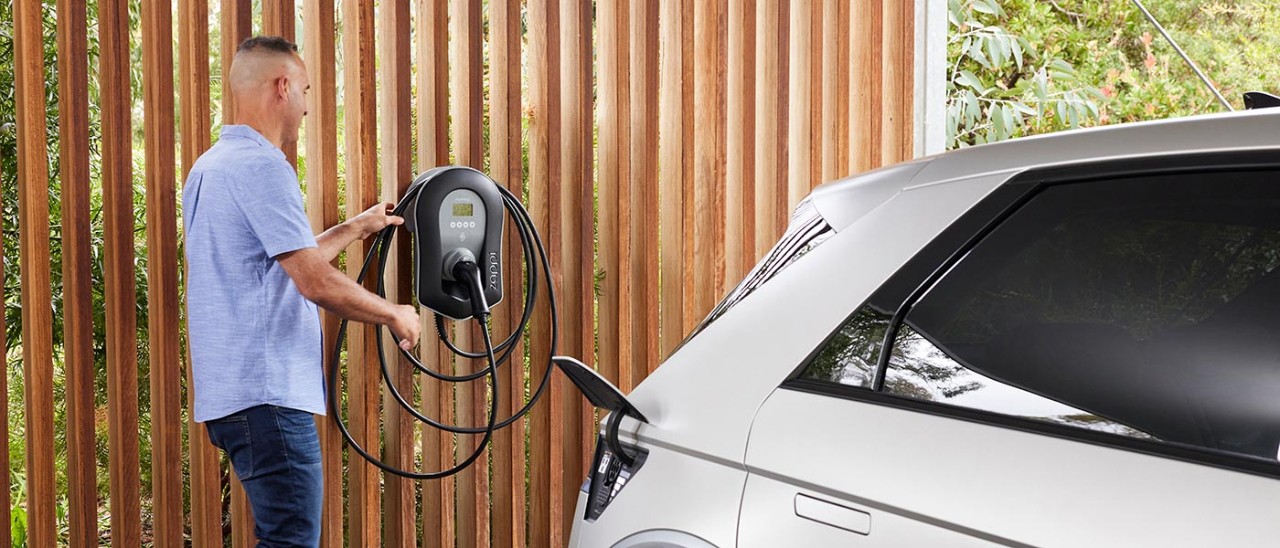
If you own an EV charger, it’s a good idea to invest in a smart home charger. By doing the bulk of your charging at home, you’ll reduce the cost of charging an EV massively.
Going back to the prices mentioned earlier by the Energy Saving Trust. Public charging can cost upwards of £53 to add 220 miles of range. Compare this to the £17 at home, and you could save £36 per charge.
The reason it’s so much cheaper comes down to using more affordable, overnight electricity, and smart chargers that optimise your charging/electricity costs.
Currently, there are a few UK government schemes you can take advantage of as well. The one for homes provides you with £350 towards the installation of an EV home charger.
3. Get Public Charging Discounts
When charging away from home, think strategically about when and where you plug in.
A lot of the time, UK public charging networks offer dynamic pricing. This means the rates charged depend on the time of day or whether you’re a member for that specific EV charger.
For example, with Char.gy, their day tariff (7 AM to 12 AM) is 59p/kWh, but their night tariff (7 AM to 12 AM) is 39p/kWh.
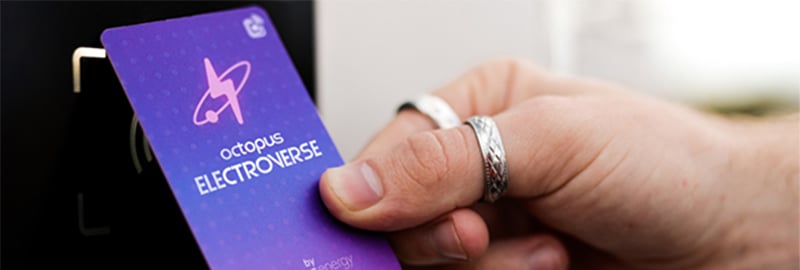
Alongside the above, by using an aggregator service or an RFID card like Octopus Electroverse, you can unlock special discounts on multiple networks. With IONITY, for example, you get a 5% discount on all charging costs.
4. Find Free or Cheap Charging Spots
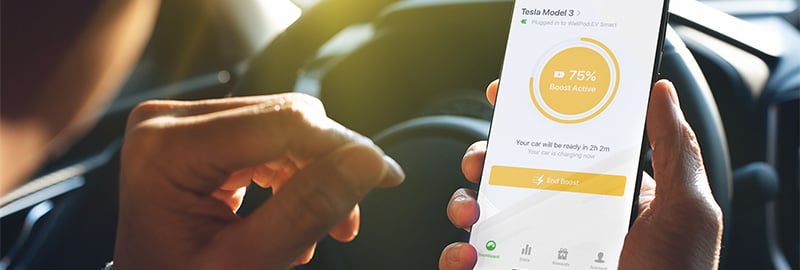
Always be on the lookout for free/cheaper charging opportunities in your daily routine. You’ll be surprised by how many you can find.
Public Charging: Certain supermarkets, shopping centres, public car parks, and hotels (for guests) may offer slow, 7kW charging for short shops or overnight stays.
Customer Perks: Some local retailers and retailers provide free charging as a customer perk.
Workplaces: More often nowadays, we’re seeing workplaces offering free EV charging as an employee benefit.
Community Charging: With apps like Co-Charger or JustCharge, you can use someone else's home EV charger for free (great choice if you cannot install one).
Every kWh you get for free or close to cost is money saved. Over time, these small charges can noticeably shrink your EV charging bill.
5. Avoid Expensive Rapid Charger
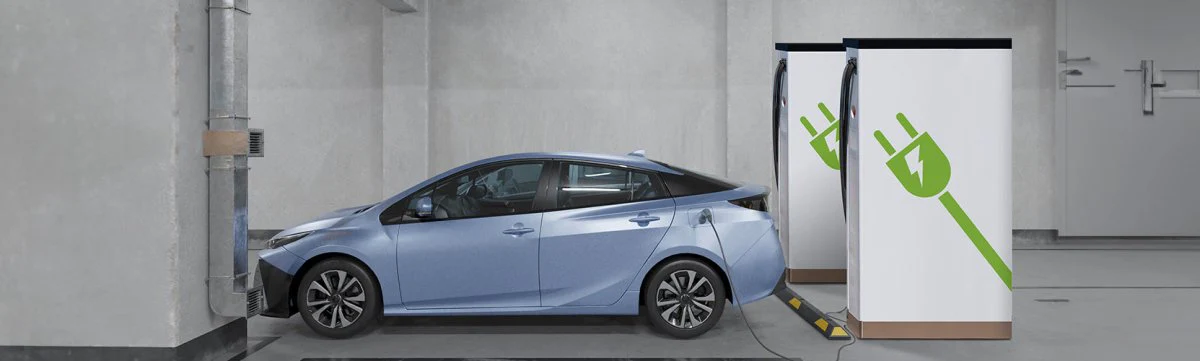
When it comes to EV charging, faster normally means more expensive. Simply, you pay for convenience.
Honestly, you should try to avoid these when possible. Sometimes it isn’t possible. We get that. If you need to use a rapid charger, it’s best just to do a top-up rather than a whole charge.
According to Zapmap, the highest paying rapid/ultra-rapid network price is 95p/kWh. That’s around £60 for 220 miles. That’s pretty much the same price as petrol.
Therefore, try to plan around your trip to avoid rapid chargers. The more you’re able to charge at home, the more you’re able to cut your charging expenses.
6. Drive More Efficiently
Improving the overall efficiency of your EV means that you need fewer charging sessions. Fewer charging sessions mean less electricity and savings directly in your pocket.
You can do this by:
Maintaining steady speeds
Using regenerative braking
Avoiding harsh driving
Lightening the load in the vehicle
Ensuring your tyres are properly inflated
Using eco-driving modes when possible
7. Use Smart Charging Tools

Another smart way to save on EV charging is to use smart energy programs and apps that reward you for charging at the right times.
In the UK, we have initiatives like Equiwatt and ev.energy, which offer incentives for EV owners who charge when energy demand is low or when renewable energy supply is high.
By following these initiatives, you can earn points. Over the year, you can earn some decent rewards, such as cashback.
Conclusion
By combining one or many of the strategies above, you’ll be able to save some money on EV charging.
One of the biggest ways to save, however, is by charging at home and off-peak. To get an EV charger installed at your home, contact our installation professionals today.